
Why More People Are Choosing Flexible Recovery Instead of Traditional Rehab?
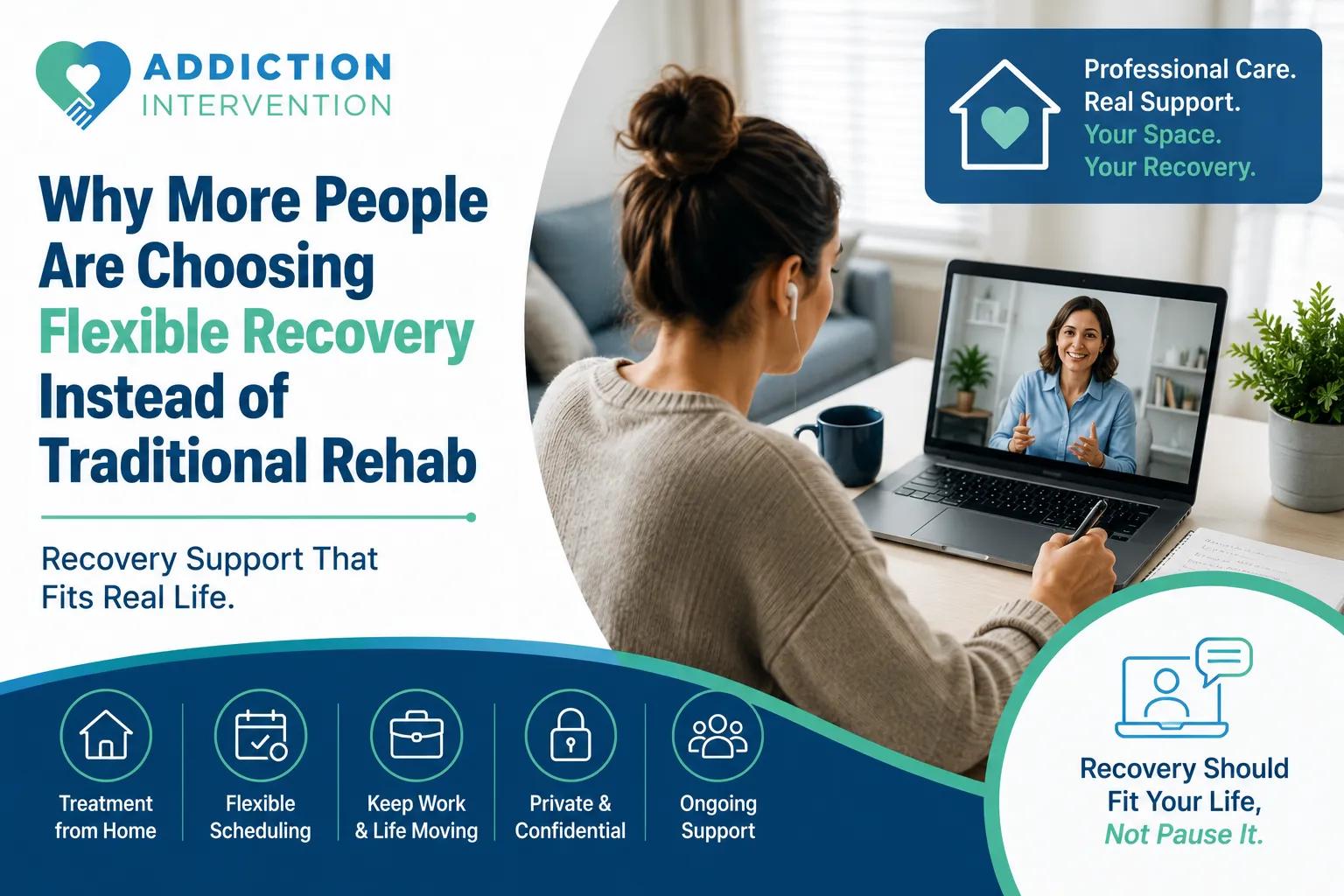
Professional online addiction treatment
Seeking help for addiction is one of the most important decisions a person can make. However, for many individuals, the idea of stepping away from work, family responsibilities, or daily commitments to attend a traditional treatment program can feel overwhelming.
Today, recovery options are evolving to meet the needs of modern lifestyles. More people are exploring flexible treatment approaches that allow them to receive professional support while maintaining important aspects of their daily lives. This shift is helping individuals access care in ways that feel more practical, accessible, and sustainable.
As treatment options continue to expand, families and individuals are discovering that recovery does not always require putting life completely on hold.
Why Traditional Rehab Is Not the Right Fit for Everyone
Residential and inpatient treatment programs remain valuable options for many people. However, they may not be suitable for every situation.
Common challenges include:
Taking extended time away from work
Managing childcare responsibilities
Caring for aging family members
Traveling long distances for treatment
Concerns about privacy
Financial limitations
These obstacles sometimes prevent individuals from seeking help altogether, even when they recognize the need for treatment.
This growing demand for accessibility has led many people to consider online addiction treatment as an alternative way to begin their recovery journey.
The Growing Shift Toward Flexible Recovery Options
Technology has transformed many aspects of healthcare, including addiction treatment.
Today, individuals can access professional support from the comfort of their homes while maintaining many of their existing responsibilities. This flexibility has opened the door to treatment for people who may not have pursued help through traditional programs.
Comparing Traditional and Flexible Recovery Options
Treatment Feature | Traditional Rehab | Flexible Recovery Options |
|---|---|---|
Location | Facility-based | Home-based participation |
Schedule | Fixed program schedule | Greater scheduling flexibility |
Work Responsibilities | Often requires time away | Can be integrated with daily life |
Accessibility | Travel may be required | Available from most locations |
Family Involvement | Limited by location | Easier participation opportunities |
The goal is not to replace traditional treatment entirely but to provide additional pathways to recovery that fit individual circumstances.
Who Benefits Most From Flexible Recovery Programs?
Every recovery journey is unique. Flexible treatment approaches can be particularly beneficial for people who need support while balancing other responsibilities.
Common examples include:
Working Professionals
Many individuals cannot take several weeks away from their careers. Flexible treatment allows them to receive care while maintaining employment obligations.
Parents and Caregivers
Parents often struggle with the idea of leaving children for an extended treatment stay. Flexible recovery options can make treatment more accessible while allowing them to remain involved in family life.
Individuals Living in Rural Areas
Access to addiction treatment can be limited in some communities. Virtual services help bridge the gap by connecting individuals with qualified professionals regardless of location.
Those Seeking Privacy
Some individuals prefer a more discreet approach to treatment. Receiving support from home may help reduce concerns about stigma or workplace visibility.
Signs Flexible Recovery May Be the Right Choice
Not everyone requires the same level of care. While some individuals benefit from residential treatment, others may find that flexible recovery options align better with their circumstances and recovery goals.
Some signs that flexible treatment may be worth exploring include:
You have a stable and supportive home environment
Work or family responsibilities make residential treatment difficult
You need treatment that fits around your schedule
Transportation challenges limit access to in-person care
You are transitioning from a higher level of treatment
You want continued professional support while rebuilding daily routines
The key is finding a treatment approach that provides the right balance of flexibility, accountability, and professional guidance.
Common Misconceptions About Virtual Recovery Support
Despite its growing popularity, there are still several misconceptions about flexible recovery options.
Myth | Reality |
|---|---|
Online treatment is less effective | Success depends on treatment quality, engagement, and individual needs |
Recovery must happen in a facility | Many people benefit from community-based and virtual support |
Virtual therapy lacks connection | Strong therapeutic relationships can be built online |
Flexible care means less accountability | Many programs include regular monitoring and structured support |
Understanding these realities helps individuals make informed treatment decisions based on their specific needs rather than outdated assumptions.
Why Continued Care Plays a Critical Role in Recovery
Recovery does not end after the first few weeks of treatment. Long-term success often depends on ongoing support and accountability.
This is where telehealth addiction treatment has become increasingly valuable. Virtual counseling sessions, recovery coaching, and ongoing treatment planning help individuals remain connected to professional support while navigating real-world challenges.
Ongoing care may help individuals:
Manage triggers
Develop coping skills
Address stress and anxiety
Strengthen relapse prevention strategies
Maintain treatment goals
Consistent support can make a meaningful difference during the recovery process.
Challenges Flexible Recovery Programs Help Address
Many people delay seeking help because they believe treatment will disrupt every aspect of their lives. Flexible recovery options were designed to reduce some of the barriers that often prevent individuals from getting the support they need.
Common Challenge | How Flexible Recovery Can Help |
|---|---|
Busy work schedules | Evening and virtual sessions |
Family obligations | Treatment without leaving home |
Transportation issues | Remote access from any location |
Privacy concerns | Discreet participation |
Limited local resources | Access to specialists virtually |
By removing these barriers, more individuals are able to begin treatment earlier rather than waiting until addiction-related problems become more severe.
Building a Recovery Plan That Fits Real Life
Successful recovery is not about finding a one-size-fits-all solution. It is about identifying the level of care that best matches an individual's needs, responsibilities, and recovery goals.
For many people, outpatient addiction treatment provides a balance between professional support and daily life. These programs often allow individuals to continue working, attending school, and fulfilling family obligations while receiving structured care.
A personalized recovery plan may include:
Individual counseling
Group therapy
Family support services
Relapse prevention planning
Ongoing recovery monitoring
When treatment fits naturally into everyday life, individuals may be more likely to remain engaged in the recovery process.
The Importance of Choosing the Right Level of Care
Not every person requires the same type of treatment.
Factors that influence treatment recommendations include:
Consideration | Impact on Treatment Planning |
|---|---|
Severity of addiction | Determines level of support needed |
Mental health conditions | May require specialized care |
Family environment | Influences recovery support |
Work and life responsibilities | Affects scheduling needs |
Recovery history | Helps guide treatment decisions |
A professional assessment can help determine whether flexible treatment, outpatient care, or a more intensive program is the most appropriate option.
Organizations such as Addiction Intervention help individuals and families evaluate treatment options and identify recovery plans that align with their specific circumstances.
Recovery Should Be Accessible, Not Impossible
One of the most important developments in addiction care is the recognition that treatment should be accessible to people from all walks of life.
When barriers such as work schedules, transportation challenges, or family responsibilities prevent someone from getting help, flexible treatment options can create opportunities that may not have existed in the past.
Individuals who are exploring treatment options may also find value in understanding 6 reasons outpatient rehab fails and the one factor that changes everything, as it highlights important considerations that can influence long-term recovery success.
What to Look for in an Online Recovery Program
Not all recovery programs offer the same level of support. Before choosing a provider, individuals and families should evaluate several important factors.
Consider asking the following questions:
Does the program include licensed addiction professionals?
Are individual and group counseling options available?
Is family involvement encouraged?
How is progress monitored?
What type of relapse prevention support is provided?
Are treatment plans personalized to individual needs?
Taking the time to evaluate treatment options carefully can help individuals find a program that supports both immediate recovery goals and long-term success.
Conclusion
More people are choosing flexible recovery options because they provide access to professional support without requiring individuals to completely step away from their daily lives. While traditional rehab remains an important resource, modern treatment approaches are helping more people receive the care they need in ways that feel practical and sustainable.
The most effective recovery plan is the one that meets an individual's unique needs while providing the structure, support, and accountability necessary for long-term success.
Frequently Asked Questions
What is online addiction treatment?
Online addiction treatment allows individuals to receive counseling, therapy, recovery support, and treatment services remotely through secure virtual platforms.
Is telehealth addiction treatment effective?
Many individuals experience positive outcomes through telehealth addiction treatment when programs are structured appropriately and participants remain actively engaged.
Who is a good candidate for flexible recovery options?
Working professionals, parents, caregivers, students, and individuals living in remote areas often benefit from flexible treatment approaches.
How does outpatient addiction treatment differ from inpatient rehab?
Outpatient addiction treatment allows individuals to live at home while attending scheduled treatment sessions, whereas inpatient rehab requires residing at a treatment facility.
Can family members participate in online treatment programs?
Many programs offer family counseling and support services that can be accessed remotely.
How do I know which treatment option is right for me?
A professional assessment can help determine the appropriate level of care based on addiction severity, personal circumstances, and recovery goals.